Tasting Room Etiquette: 8 Rules for a Respectful Vineyard Tasting
A practical guide to tasting room etiquette — from spitting and splitting pours to tipping and the...

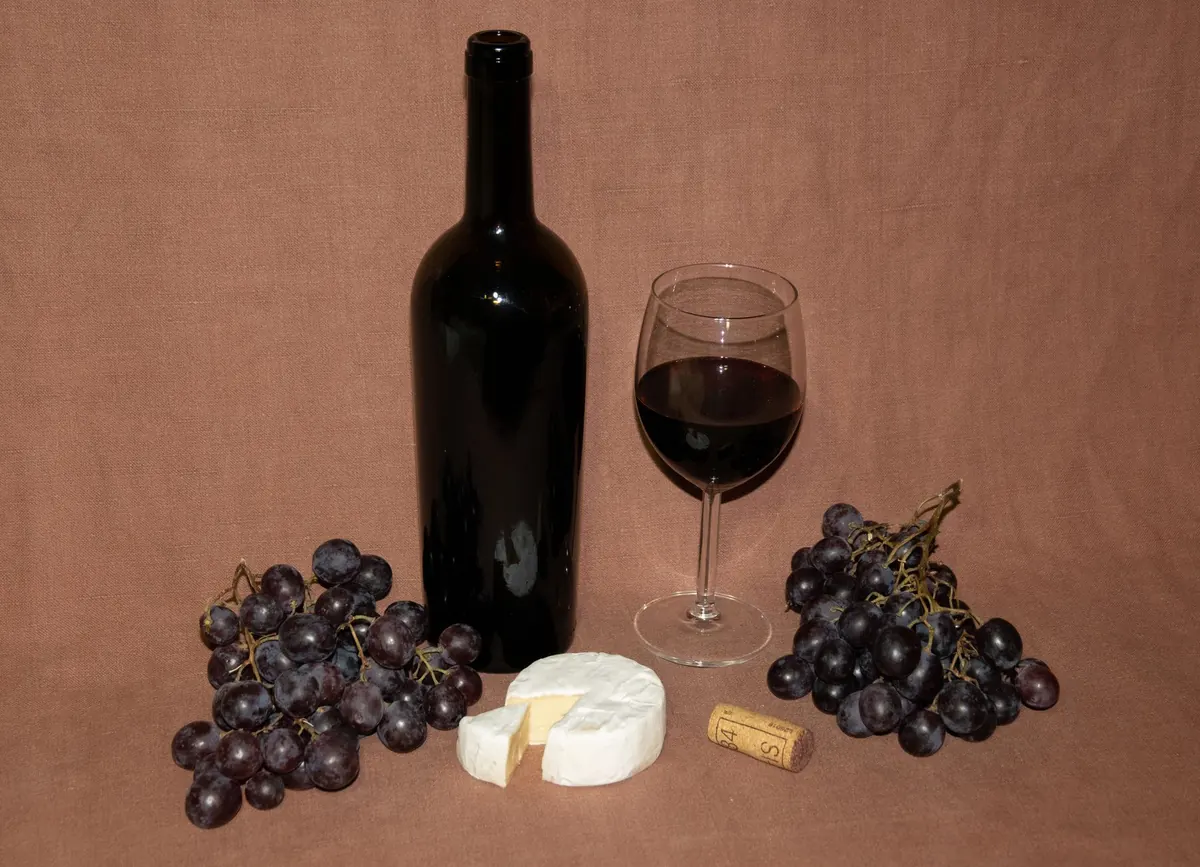
Open a bottle of good vineyard wine, take one bite of dinner, and you know within seconds whether the match works. You do not need a sommelier's memory to get this right. Most pairing trouble comes from a handful of habits that are easy to break: choosing the wine for the protein and ignoring the sauce, pouring reds at room temperature, saving sparkling for celebrations only. Fix those few things and an ordinary Tuesday dinner gets noticeably better. Here are the five missteps we see most often, with a practical correction for each.
The chop is rarely the whole story. A plain roast chicken and the same chicken under a lemon-caper sauce with capers and butter want two different bottles. The first is happy with a soft, rounded white or a light red; the second needs something with real acidity to cut through the butter and stand up to the brine of the capers.
Sauce, seasoning, char and sides usually matter more than the main ingredient. A piece of fish blackened in a hot pan with smoked paprika tastes closer to a light red than to a delicate white. A pork loin with apple and mustard is a different proposition from pork belly with vinegar slaw. Before you reach for a bottle, ask one question: what is the loudest flavour on this plate? If it is acid, salt or smoke, choose accordingly.
Taste the sauce, then sip the wine, then taste the sauce again. If the sauce suddenly feels sharp or the wine turns thin and bitter, the pairing is off. If the second bite tastes rounder and more savoury, you have found the bottle to open.
Room temperature was a reasonable instruction in a cold stone cellar. In a modern kitchen in July, a red at 25°C tastes flabby, hot and slightly jammy — the fruit blurs and the finish shortens. Whites pulled straight from a fridge at 4°C are the opposite problem: aromas shut down and the wine tastes like cold water with a hint of lemon.
Useful ranges to aim for: crisp whites around 8–12°C, light reds 12–15°C, fuller reds 15–18°C, sparkling coldest of all but never ice-cold enough to numb the palate.
There is a habit of assuming that the biggest, darkest, most expensive-looking bottle must be the safe choice. It rarely is. Wines high in tannin and alcohol dominate delicate food: they make fish taste metallic, flatten vegetables, and turn a simple herb omelette into a chore. With spicy dishes, a strong, alcoholic red amplifies the burn rather than cooling it.
Lighter reds do more work at the table than they get credit for. A Barbera, Dolcetto, Frappato, Gamay or a modest Pinot Noir will handle tomato pasta, roast vegetables, charcuterie, grilled sausages and most weeknight chicken dishes. Serve them slightly cool — around 14°C — and they feel vivid rather than thin.
If you are unsure, go lighter than you think you should. It is easy to move up to a bigger wine with the next course; it is impossible to un-open a heavy one.
Three simple principles cover a great many dinners. Acid cuts fat and salt. Sweetness calms heat. And salty food makes wine taste softer and fruitier, which is usually pleasant — but a wine with no acidity at all will simply taste flat next to a plate of cured meat or fried food.
So: fried food, salty cheese, cured ham and anything rich with butter love a wine with racing acidity — a dry Riesling, a Vermentino, a Sauvignon Blanc, a dry sparkling. Spicy food wants a wine with a touch of sweetness and low alcohol; an off-dry Riesling or Chenin Blanc does far better than a bone-dry, powerful red. And when a dish carries a lot of lemon, vinegar or tomato, the wine should be at least as acidic as the food, otherwise it disappears.
Sparkling wine is the most flexible food wine in the cellar, and most bottles are opened on the wrong occasions — a quick toast, then back to still wine. The bubbles scrub fat from the palate, the acidity resets it, and the relatively low alcohol keeps you sharp through a long meal.
Try a dry sparkling with fried chicken, potato chips, pizza, oysters, salty charcuterie, egg dishes, sushi or a plate of soft cheese. Keep a bottle chilled and open it with a plain roast dinner; you will likely prefer it to the red you would have chosen. The only pairing worth avoiding is a very sweet sparkling with a dessert that is sweeter still — the wine will taste thin and sour. Match sweetness to sweetness, or serve the sweet wine with a less sweet course.
None of this is rigid. A pairing that pleases you is correct, and a bottle that empties faster than you expected is the best evidence you will get. Taste, adjust, and keep notes on the combinations that worked — that small record will serve you better than any rule.
Photo: Lusynda <3 / Pexels
A practical guide to tasting room etiquette — from spitting and splitting pours to tipping and the...
A practical introduction to Sangiovese, Nebbiolo, Barbera and other Italian grapes, covering what each...
Oak barrels and stainless steel tanks shape flavour, texture, cost and style very differently; here is how...