Italian Grape Varieties for Beginners: Sangiovese, Nebbiolo, Barbera, and More
A practical introduction to Sangiovese, Nebbiolo, Barbera and other Italian grapes, covering what each...

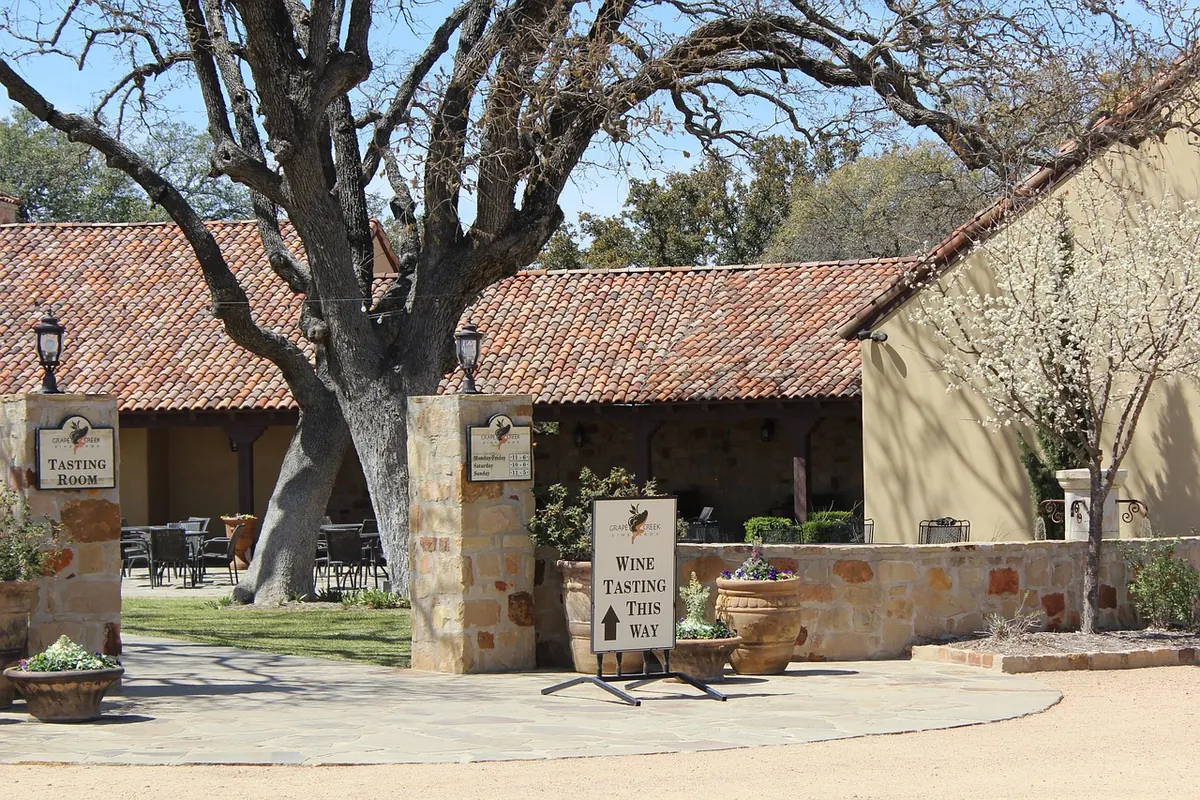
A tasting room is a strange hybrid: part workshop, part shop floor, part classroom, and — if the harvest went well — part party. The person behind the counter may be the owner, a cellar hand on rotation, or a winemaker grabbing a break between punch-downs. They have set out glasses on a clean cloth and opened bottles they are proud of. Your job, for the next hour, is simply to be a good guest. None of this is complicated, and almost none of it is formal. What follows are the habits that make visits smoother for everyone: the regulars, the first-timers, and the people pouring.
Reserve ahead. For a party of two, a quick call or online booking is a courtesy; for six or more, it is close to essential, especially at a small estate where one person covers the whole room. If plans shift, ring the winery rather than quietly dropping in an hour late. A short message resets the schedule for you and for whoever is waiting behind you.
Eat something light beforehand, drink water on the way, and leave the heavy fragrance at home. Perfume, cologne, and scented hand lotion sit right on top of delicate aromatics, and a host who has just been asked to describe a wine's nose will thank you for the restraint. The same goes for chewing gum and strong mint drops, which flatten everything you taste for the next ten minutes.
Finally, sort out the driving. Rotate a designated driver, book a car, or stay nearby. A flight of six pours at two ounces each is more alcohol than it sounds, particularly on a warm afternoon and an empty stomach. Decide before you arrive, not after the third glass.
Almost every tasting room provides a spittoon — a cup or a bucket, sometimes tucked under the counter, sometimes built into a communal table. Use it. Spitting is what lets you taste twelve wines instead of three and still drive home, and no host will think less of you for it. The mechanics are simple: step up to the bucket, keep your face over it, spit discreetly, and move on. If you would rather be subtle, tip the remaining wine from your glass into the dump bucket instead.
Then taste rather than drink. Take small sips, let the wine sit, and pour the rest away. Nobody is counting your swallows, but the room is not a bar, and treating it like one is the surest way to be remembered for the wrong reasons.
Between wines, water and something plain — bread, crackers, a bite of cheese — will reset your palate far more effectively than chasing one big red with another. Ask for water if it is not already on the counter.
Conversation carries in a small room with hard surfaces. Groups of eight tend to sound like twelve, and a tasting room that felt calm when you walked in can become deafening in minutes. Keep to a conversational volume, and pay attention to the pair at the end of the counter who are trying to hear about a single-vineyard pour.
The host has been waiting for a real question all afternoon. "What's your best wine?" tends to produce a polite, rehearsed answer; a specific question produces a story, and the story is usually the best part of the visit. Good ones to keep in your pocket:
Then listen. Follow up on the answer rather than moving to your next question, and skip anything that turns the moment into a quiz. Asking a winemaker to name a competitor's wine, or to guess what a critic might score, rarely lands well. If you are genuinely curious about something the host cannot answer, say so and move on; nobody expects an encyclopedia.
Gratuity in tasting rooms varies widely by region, by country, and by house. Some estates build service into the tasting fee; others leave a jar on the counter and expect nothing. The reliable move is to ask, plainly and without embarrassment: "Is gratuity included, or is it customary to leave something?" Hosts are asked this constantly and will give you a straight answer.
If you tasted for free, took a good half hour of someone's attention, and enjoyed the wines, the most meaningful thank-you is often a bottle to take home, with a modest gratuity if the house accepts one. Cash is always easier than a card for a small team. If you are unsure of local norms, ask at the register before you settle up. A little awkwardness in the asking is far better than an unintentional slight.
Hold your glass by the stem or the base so your hand does not warm the bowl. Pour for yourself only when you are invited to, and never help yourself to a bottle on the counter. Take phone calls a few steps away from the bar, and ask before photographing the host or other guests; a picture of a glass in the sunshine is fine, a picture of strangers is not.
Picnics, dogs, and outside food are welcome at some estates and firmly off-limits at others, so check before you unpack a basket on the terrace. And if you spend an hour tasting, talking, and taking up space, buy something on the way out. It does not need to be a case. One bottle of the wine you liked best is the gesture that keeps small tasting rooms open to visitors.
Take thirty seconds to write down the one wine you loved and the reason you loved it — vintage, name, and a single word about the taste. Tasting-room memory fades faster than you think, and a note on your phone is the difference between buying that bottle later and hunting for a label you can no longer recall. Ask to join the mailing list if you want to hear about new releases, and ask whether shipping is possible if you are travelling.
Then say thank you to the person who poured, by name if you caught it. Etiquette in a tasting room comes down to attention: to the wine in front of you, to the people sharing the counter, and to the work that filled the bottles. Get that right and you will be welcome back any time.
Photo: kbhall17 / Pixabay
A practical introduction to Sangiovese, Nebbiolo, Barbera and other Italian grapes, covering what each...
Oak barrels and stainless steel tanks shape flavour, texture, cost and style very differently; here is how...
A practical guide to planning a harvest-season vineyard visit, covering when to book, what to wear, what...